Spring Pet Allergies: Causes, Symptoms, and Relief in Pike Road

Spring Pet Allergies: Causes, Symptoms, and Relief in Pike Road
As winter fades and spring arrives in Pike Road, you may notice your pet scratching, licking, or sneezing more than usual. Seasonal allergies can affect both dogs and cats, leading to discomfort that can disrupt their daily lives. At Partners for Pets, located at 11123 Chantilly Parkway Unit G, Pike Road, AL 36064, our veterinary team understands how frustrating it can be to watch your pet struggle with allergy symptoms. This blog will guide you through how to recognize signs of spring allergies in pets, explore the common causes unique to our region, discuss available relief options, and provide practical tips to help your furry family members thrive during allergy season. If you think your pet may be experiencing allergies, scheduling a wellness examination is a great first step; our veterinarians are here to help you find answers and comfort for your dog or cat.
Recognizing Spring Allergies in Your Pet
Spring allergies often show up in ways that might surprise pet owners. Unlike humans, who commonly experience runny noses and watery eyes, pets tend to show allergy symptoms through their skin and behavior. Key symptoms include frequent scratching, licking, and biting at paws or other body areas. You may notice red, inflamed skin, ear infections, or even hair loss in patches. Additionally, pets with allergies can develop watery eyes, sneezing, or discharge from their nose or ears. Some dogs and cats will shake their heads often or scratch at their ears, and you might detect an odor or see redness inside the ear canal. These symptoms can appear suddenly as spring blooms in Pike Road, especially after your pet has spent time outdoors. If your pet's itching seems to worsen after walks or playtime in grassy areas, seasonal allergies could be the culprit. Pay attention to any changes in your pet's routine, such as increased restlessness, chewing at their feet, or reluctance to go outside; these may all signal underlying discomfort due to allergens in the environment. When these symptoms last for more than a few days or seem to be getting worse, it is time to consider a veterinary evaluation.
What Causes Spring Allergies in Pike Road Pets?
Seasonal allergies in dogs and cats are triggered by environmental allergens that are especially abundant in the spring. In Pike Road and the surrounding communities, pollen from blooming trees, grasses, and weeds is a leading cause. As plants release their pollen, it can settle on your pet’s fur and skin or become airborne and inhaled. Other common triggers include mold spores, which thrive in the damp spring weather, and dust mites that become more active as indoor humidity changes. Unlike food allergies, which result from a reaction to something your pet eats, environmental or atopic allergies develop when your pet’s immune system overreacts to substances in the environment. Genetics can also play a role; certain breeds are more prone to allergies, but any dog or cat can develop them. Factors such as spending time outdoors, rolling in grass, or even sitting near open windows can increase exposure. While you cannot control the pollen count outside, understanding these triggers allows you to take proactive steps to minimize your pet’s discomfort. The spring season in Pike Road is beautiful, but it can be a challenging time for pets sensitive to seasonal allergens.
How Our Veterinarians Diagnose and Treat Spring Allergies
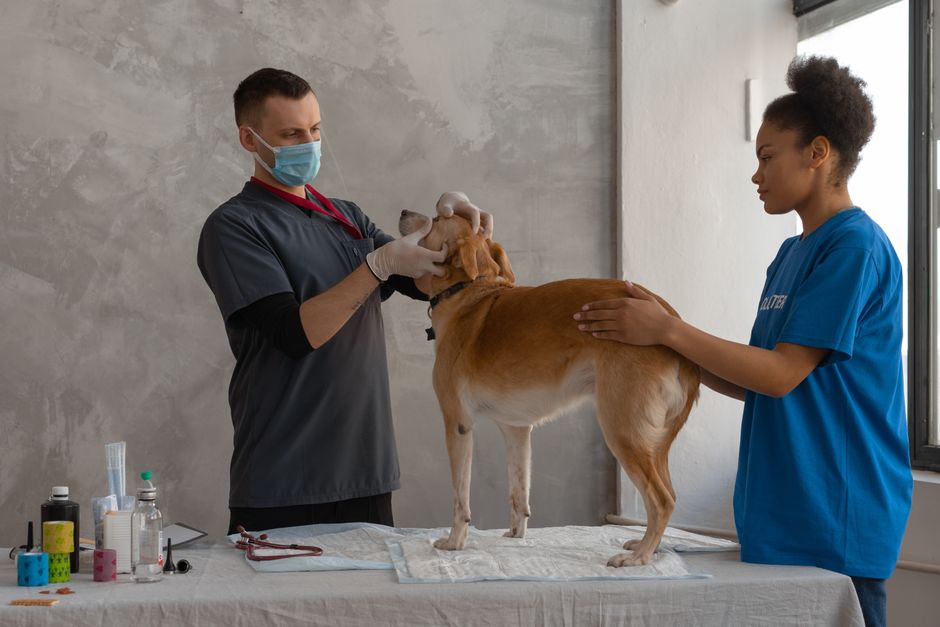
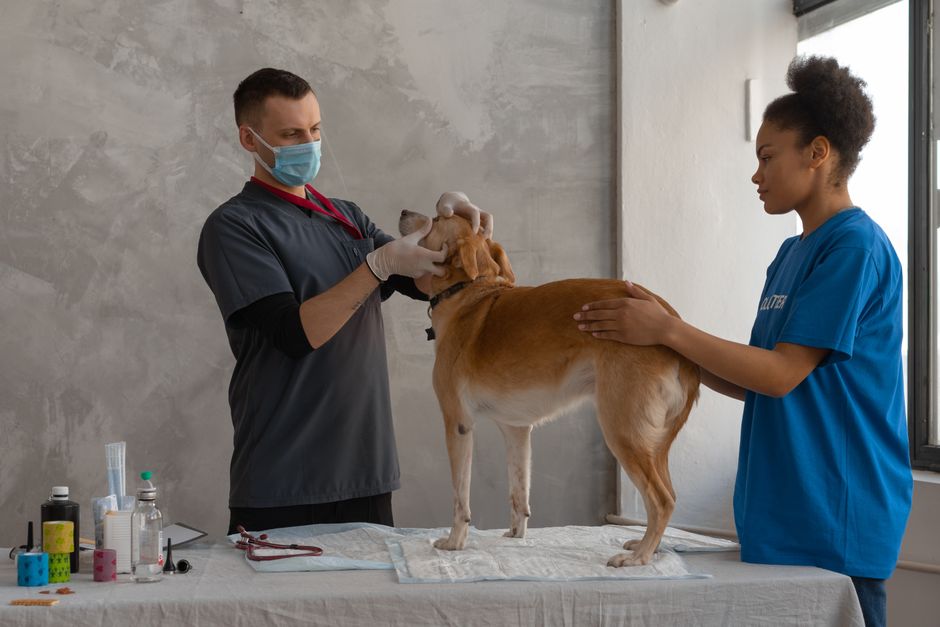
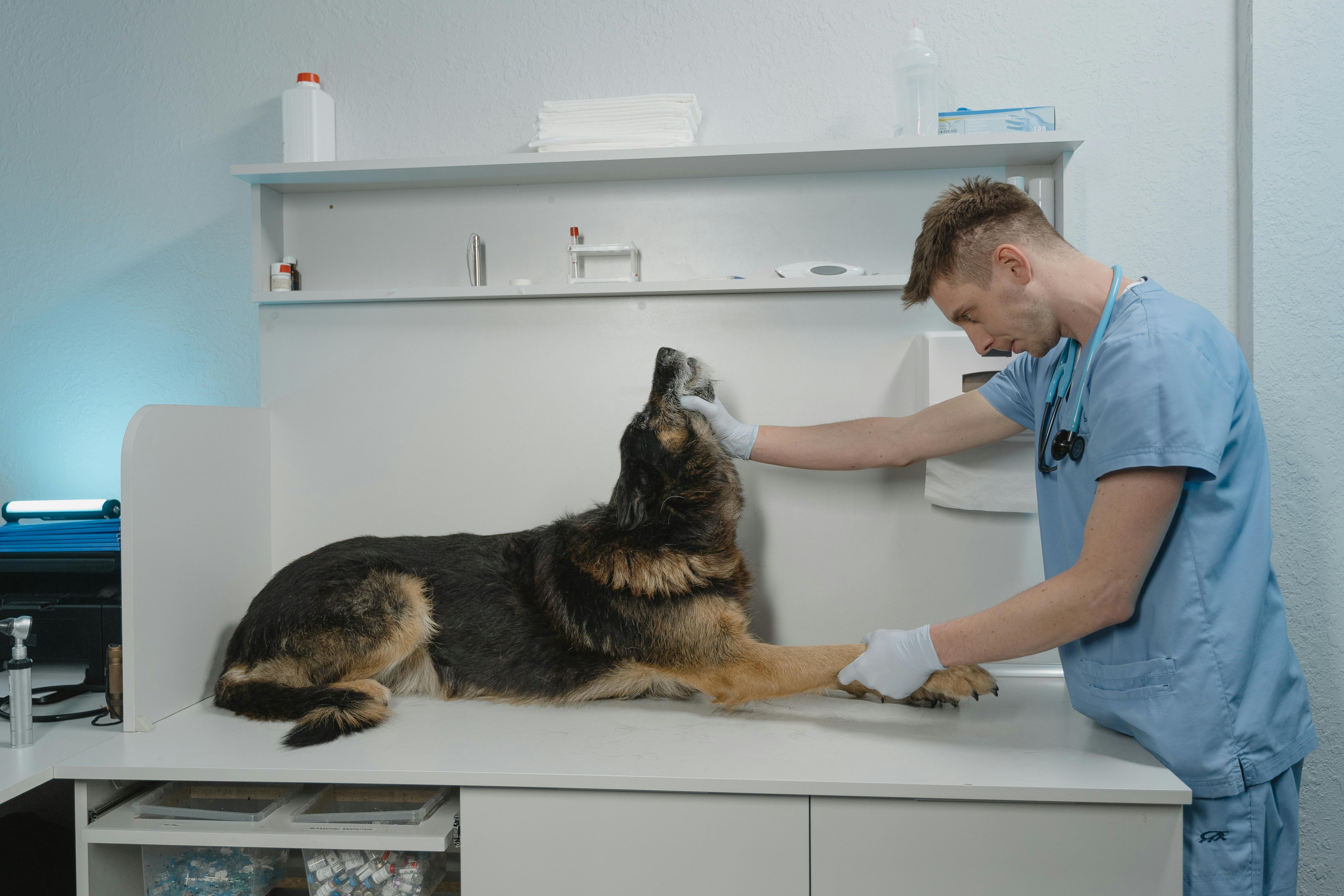
When you schedule an appointment at Partners for Pets, our veterinarians begin with a thorough history and physical examination to pinpoint the cause of your pet’s symptoms. During a wellness examination, we will ask about your pet's environment, diet, and recent activities. Diagnosing allergies often involves ruling out other causes of itching, such as parasites or skin infections. Our veterinary professionals may recommend skin scrapings, cytology, or allergy testing to help identify the specific triggers affecting your pet.
Treatment approaches involve a combination of relief for current symptoms and long-term management of allergies. For immediate comfort, our veterinarians may prescribe medicated shampoos, topical ointments, or oral medications such as antihistamines or corticosteroids. If your pet is suffering from secondary infections due to scratching, antibiotics or antifungal medications may be necessary. For pets with frequent or severe allergies, allergy shots (immunotherapy) or specialized diets may be discussed as long-term solutions. Our goal is to create a personalized treatment plan that helps your pet feel more comfortable throughout the spring season and beyond.
It’s important to remember that successful allergy management often requires ongoing communication between you and your veterinary team. Regular follow-up visits help us monitor your pet’s progress and adjust their care plan as needed. By working together, we can find the right balance of treatments to provide lasting relief for your dog or cat.
Home Care and Prevention Tips for Spring Allergies
While veterinary treatment is essential for managing moderate or severe allergies, there are many steps you can take at home to support your pet’s comfort. Bathing your pet regularly with a gentle, hypoallergenic shampoo can help remove pollen and allergens from their coat. Brushing your pet’s fur after they come inside also reduces exposure to pollen and helps keep their skin healthy. Wiping your pet’s paws with a damp cloth after walks can prevent allergens from being tracked into your home, and washing bedding or favorite resting spots frequently helps minimize allergen buildup in your pet's environment.
Keeping windows closed during high pollen days and using air purifiers inside your home can also reduce allergen exposure. Limiting outdoor playtime during peak pollen hours, usually early morning and late afternoon, may help control symptoms. For pets with known allergies, your veterinarian may recommend regular wellness checks to catch any new problems early. Staying up to date on preventive care, including vaccination services, ensures your pet’s immune system is supported year-round. By combining these home care strategies with professional veterinary guidance, you can help your pet enjoy springtime in Pike Road with fewer allergy-related worries.
When to Seek Veterinary Care for Your Pet’s Allergies
It can be tempting to try home remedies or over-the-counter treatments when you notice your pet scratching, but allergies are complex and can quickly become more serious without proper veterinary attention. You should schedule an appointment with our veterinarians if your pet’s itching is persistent, causes open sores, or leads to changes in appetite or behavior. Other signs that require prompt evaluation include repeated ear infections, hair loss, red or swollen skin, or evidence of discomfort that disrupts sleep and play.
Pets with existing health conditions, older animals, or those on other medications are especially vulnerable to complications from untreated allergies. Early intervention can prevent secondary infections and reduce the risk of chronic skin issues. If your pet experiences sudden swelling, difficulty breathing, or severe lethargy, seek emergency care immediately, as these may indicate a severe allergic reaction. For ongoing issues, our veterinary team can provide a customized management plan to keep your pet comfortable and healthy through the changing seasons.
Keeping Your Pet Itch-Free This Spring: Next Steps
Spring allergies do not have to mean months of discomfort for your pet. By recognizing the early signs, understanding the triggers unique to Pike Road, and partnering with your veterinary professionals at Partners for Pets, you can help your dog or cat enjoy the beauty of spring with minimal irritation. If you notice your pet scratching more than usual or showing other allergy symptoms, don’t wait; schedule a wellness examination with our compassionate team.
Our veterinarians are committed to providing expert guidance and ongoing support for pet owners throughout Pike Road and surrounding communities. When searching for a veterinarian near me, remember that Partners for Pets offers comprehensive care, from diagnosis to long-term management plans, all in a welcoming environment. Call (334) 218-4500 today to book your pet’s spring allergy checkup or visit our wellness examination page for more information about our services. Together, we can keep your pet comfortable, healthy, and ready to embrace all that springtime in Alabama has to offer.
This blog is for informational purposes only and does not replace professional veterinary advice. If you have concerns about your pet’s health, please contact your veterinarian for guidance specific to your pet’s needs.