Recognizing Eye Problems in Dogs: Pike Road Pet Owner’s Guide
Recognizing Eye Problems in Dogs: Pike Road Pet Owner’s Guide
Are you noticing changes in your dog’s eyes such as redness, cloudiness, or excessive tearing? As a pet owner, it can be worrying when your dog’s eyes look different or your dog seems uncomfortable. Eye issues can develop quickly and may become serious if not addressed promptly, so understanding the early signs can make a real difference for your pet’s comfort and vision. At Partners for Pets, your trusted veterinary hospital in Pike Road, AL, we’re dedicated to helping you protect your dog’s sight and overall health. In this comprehensive guide, we’ll help you recognize the most common symptoms of eye problems in dogs, explain what causes them, discuss treatment options, and provide practical tips for prevention and home care. You’ll also learn when to schedule a veterinary appointment and how our experienced team can support your dog’s vision health all year long.
Spotting Eye Problems in Your Dog: Early Warning Signs
Dogs are curious and active, and their eyes are exposed to dust, pollen, and other irritants—especially during our warm Pike Road summers. Because many eye conditions can worsen quickly, it’s important to know what to watch for at home. Key symptoms of eye problems in dogs include redness or bloodshot appearance, squinting or keeping an eye closed, noticeable cloudiness or change in eye color, and excessive tearing or discharge. Some dogs may develop a green, yellow, or white discharge that crusts around the eyelids. You may also notice your dog pawing at their face or rubbing their eyes on the carpet or furniture, which often signals irritation or pain.
Other warning signs are swelling around the eye, a visible third eyelid (the pink tissue at the corner of the eye), or changes in the size or shape of the pupil. Some eye problems can cause your dog to become more sensitive to light or to bump into objects around the home due to reduced vision. If you observe your dog suddenly becoming withdrawn, restless, or protective of their face, this can also indicate discomfort related to an eye condition.
What Causes Eye Issues in Dogs?
There are many reasons why dogs can develop eye problems, ranging from mild irritations to serious diseases. Common causes include allergies, which are especially prevalent here in the Pike Road area during spring and summer when pollen counts rise. Infections from bacteria, viruses, or fungi can also lead to conjunctivitis (inflammation of the eye’s surface) or more severe problems inside the eye.
Injuries are another frequent culprit. Dogs that run through tall grass, play roughly, or dig in the yard may scratch their eyes on branches, sharp objects, or even their own nails. Foreign bodies like grass seeds or dirt can become trapped under the eyelids, causing redness and irritation.
Some breeds are more prone to eye problems due to their anatomy. Dogs with prominent eyes, such as Pugs, Bulldogs, and Shih Tzus, are at higher risk for corneal ulcers and dry eye. Older dogs may develop cataracts, which cause the lens to become cloudy and impair vision. Glaucoma, a dangerous increase in eye pressure, can develop suddenly and threatens permanent vision loss if not treated quickly.
Less common causes include autoimmune conditions, tumors, or inherited diseases that affect the eye’s structures. Regardless of the cause, prompt veterinary attention is essential to prevent complications and protect your dog’s sight.
How Eye Problems Are Diagnosed and Treated by Your Veterinarian
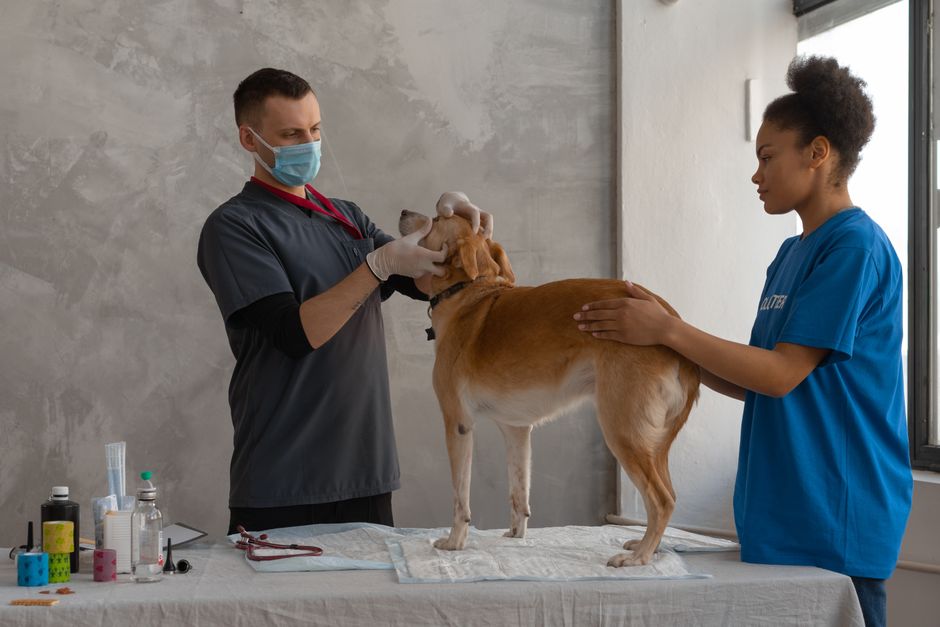
If you notice any changes in your dog’s eyes, scheduling an appointment with your veterinary team is the best course of action. During a comprehensive pet exam, our veterinarians will carefully examine your dog’s eyes using specialized equipment. We may use a bright light to inspect the surface and interior of the eye, check tear production, and measure intraocular pressure. In some cases, we’ll recommend in-clinic diagnostic tests or digital radiology to assess deeper structures or rule out underlying conditions.
Treatment approaches depend on the cause and severity of the problem. For mild cases like minor irritations or early conjunctivitis, your veterinarian may prescribe medicated eye drops or ointments to reduce inflammation and fight infection. If a foreign body is present, we’ll gently remove it and ensure the eye is thoroughly rinsed and protected. Corneal ulcers or scratches may require more intensive treatment and frequent rechecks to monitor healing.
For more serious conditions such as glaucoma or cataracts, advanced medical or surgical options may be discussed. In some cases, referral to a veterinary ophthalmologist is appropriate, especially if your dog is at risk of losing vision. Throughout every step, our team at Partners for Pets will communicate clearly about your dog’s diagnosis, explain treatment choices, and provide guidance for at-home care and follow-up.
Home Care and Prevention: Keeping Your Dog’s Eyes Healthy
While some eye problems are unavoidable, there are many practical steps you can take to minimize your dog’s risk and support ongoing eye health. Regularly check your dog’s eyes for any changes in appearance, discharge, or behavior. Gently wipe away debris or crusts with a clean, damp cloth, being careful not to touch the eye itself. Avoid using over-the-counter eye drops or medications meant for humans unless specifically instructed by your veterinarian.
Keeping your dog’s face and fur clean, especially around the eyes, helps reduce irritation and infection risk. For dogs prone to tear staining or long hair around the eyes, regular grooming is important. Preventing injuries is also key—supervise outdoor play, trim branches or shrubs at your dog’s eye level, and keep sharp objects out of reach.
If your dog has a history of allergies, work with your veterinarian to manage seasonal flare-ups. This might include antihistamines, hypoallergenic diets, or environmental modifications. For breeds at higher risk, routine eye checks during wellness examinations are highly recommended. Never ignore persistent squinting, redness, or discharge, as early intervention is the best way to protect your dog’s sight.
When Should You Seek Veterinary Care for Your Dog’s Eyes?
Prompt action is crucial when it comes to your dog’s eye health. You should schedule an appointment with our veterinary team if your dog shows signs such as redness, squinting, excessive tearing, or a change in eye color that lasts more than a day. Immediate veterinary attention is needed if you notice sudden cloudiness, swelling, severe pain, a visible wound, or if your dog cannot open the eye. Sudden loss of vision, bumping into objects, or any signs of trauma always warrant a same-day visit.
It’s important to remember that some eye conditions, like glaucoma or deep corneal ulcers, can cause permanent blindness within hours if left untreated. Even minor symptoms can progress quickly, so trusting your instincts and contacting your veterinarian is always the safest choice. Our emergency veterinary care services are available for urgent situations outside regular hours.
Protecting Your Dog’s Vision with Partners for Pets in Pike Road
Caring for your dog’s eyes is an important part of their overall health and happiness. By learning to recognize early warning signs, understanding common causes, and acting promptly when issues arise, you can help safeguard your dog’s vision for years to come. At Partners for Pets, our compassionate veterinary team is committed to providing the highest quality care for your dog’s eyes and every aspect of their wellbeing.
If you have concerns about your dog’s eyes or are searching for a trusted vet near me in Pike Road or surrounding communities, we’re here to support you. Schedule an appointment with our experienced veterinarians by calling (334) 218-4500 or visiting us at 11123 Chantilly Parkway Unit G, Pike Road, AL 36064. Your dog’s comfort and vision are our top priorities—let us help keep those eyes bright, healthy, and ready for every adventure.
This article is intended for informational purposes only and should not replace professional veterinary advice. If your dog is experiencing any symptoms of eye problems, please contact your veterinarian promptly.