Heatstroke in Dogs and Cats: Warning Signs and Prevention Tips
Heatstroke in Dogs and Cats: Warning Signs and Prevention Tips
As summer temperatures climb in Pike Road, AL, many pet owners grow concerned about their dogs and cats facing the dangers of heatstroke. August brings intense heat and humidity to our area, and even a brief time outdoors or a sunbeam-filled room can quickly put pets at risk. At Partners for Pets, located at 11123 Chantilly Parkway Unit G, Pike Road, AL 36064, we see firsthand how heat-related emergencies can affect beloved animals. Knowing how to spot the signs of heatstroke, understanding how it happens, and learning how to prevent it are essential steps for every pet owner during an Alabama summer.
In this blog, we’ll guide you through the warning signs of heatstroke in dogs and cats, explain why pets are so vulnerable in our region, and share practical prevention tips for keeping your furry family members safe. We’ll also help you recognize when it’s time to seek immediate veterinary care and show you how our veterinary team at Partners for Pets can support the health and happiness of your pets all year long. For those looking for additional peace of mind, our emergency veterinary care services are always here to help when the unexpected happens.
Recognizing Heatstroke: Signs Your Pet Needs Help
Heatstroke can develop rapidly in dogs and cats, and early recognition is crucial for your pet’s survival and recovery. While the condition is most common in the peak of summer, it can occur any time a pet is exposed to excessive heat or humidity.
Key symptoms of heatstroke in pets include heavy panting that does not subside, drooling more than usual, bright red or pale gums, and restlessness. Dogs and cats may also show signs of distress such as rapid heartbeat, vomiting, diarrhea, or confusion. In severe cases, your pet may collapse, have seizures, or become unresponsive.
It’s important to note that cats are often more subtle in their symptoms. They may hide, become lethargic, or breathe with their mouths open, which is a serious red flag. Smaller breeds, flat-faced breeds like Bulldogs and Persians, elderly pets, and those with underlying health issues are at higher risk and may show signs even faster than healthy adult animals. If you notice any of these symptoms, immediate action and veterinary attention are needed.
Why Does Heatstroke Happen? Understanding the Causes in Pike Road
Alabama’s climate, especially in Pike Road and surrounding communities, creates the perfect storm for heatstroke in pets. High temperatures combined with humidity make it difficult for dogs and cats to cool themselves efficiently. Unlike humans, pets do not sweat through their skin; instead, they rely on panting and limited sweat glands in their paw pads to release heat. When the air is hot and humid, this natural cooling mechanism quickly becomes overwhelmed.
Common scenarios leading to heatstroke include leaving pets in a parked car, even for a few minutes, as temperatures inside can skyrocket in moments. Outdoor play during midday, walks on hot pavement, and inadequate shade or water access all boost the risk. Indoor pets are not immune; unventilated rooms or direct sunlight can turn safe spaces into danger zones.
Certain breeds with short noses and flat faces, overweight animals, and pets with heart or lung conditions are especially vulnerable. Even young, healthy pets can develop heatstroke if conditions are extreme enough. Awareness of your pet’s individual risk factors can help you take extra precautions during heatwaves.
Treating Heatstroke: What to Expect from Veterinary Care
If you suspect your pet is experiencing heatstroke, prompt action is critical. Begin by moving your dog or cat to a cooler place, offer small amounts of cool (not cold) water, and use damp towels on their paws and underbelly to help lower body temperature while arranging for veterinary help. However, do not immerse your pet in ice water or force drinking, as this can cause shock.
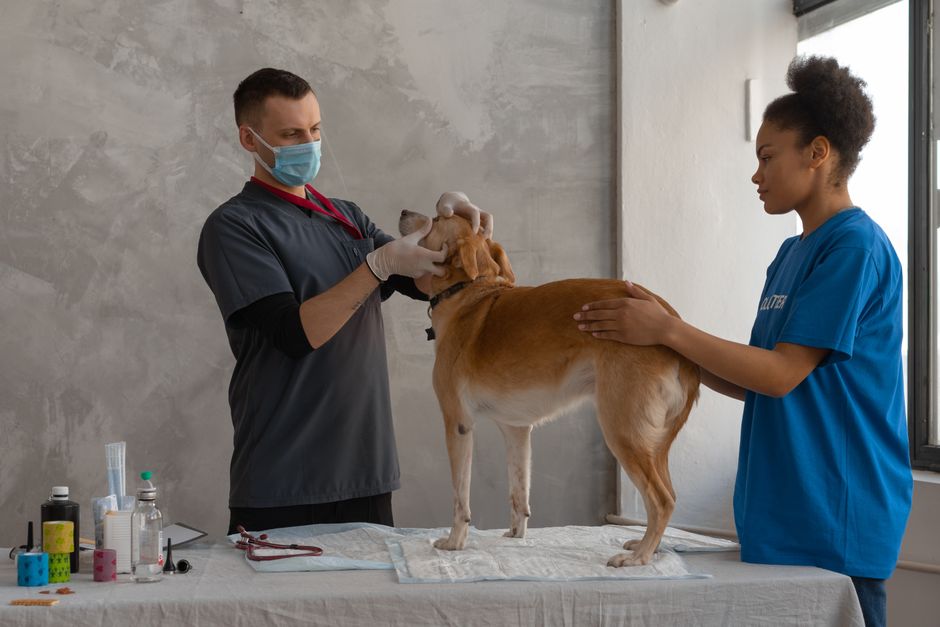
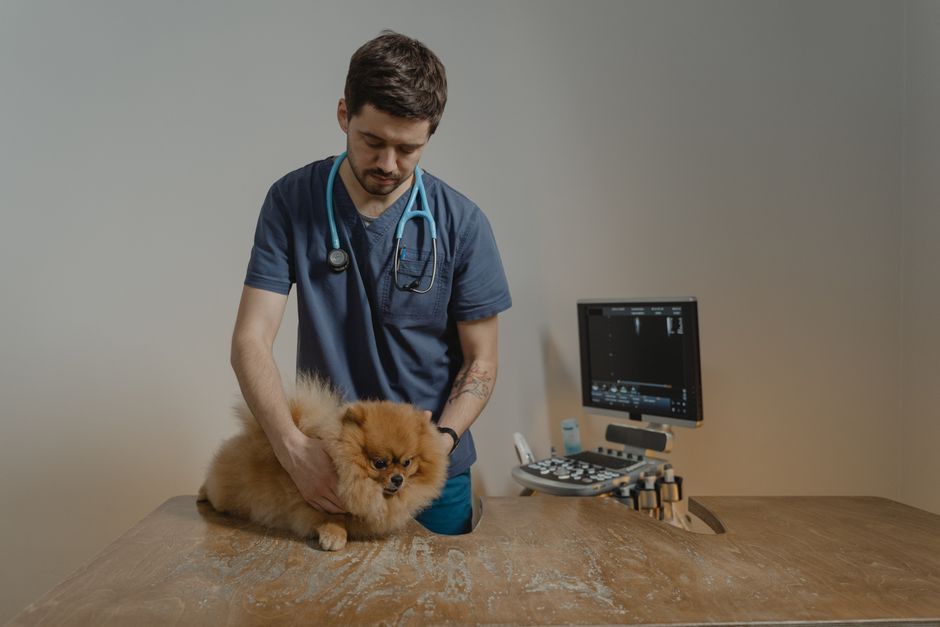
Upon arrival at Partners for Pets, our veterinary team will quickly assess your pet’s condition and begin lifesaving treatments. Immediate steps involve careful cooling, intravenous fluids to combat dehydration and shock, oxygen therapy if needed, and monitoring for complications such as organ dysfunction or neurological symptoms. Bloodwork and other diagnostics may be performed to understand the extent of the heat injury.
Recovery depends on how quickly treatment begins and the severity of the heatstroke. Some pets may require hospitalization and ongoing care, especially if organs have been affected. Our compassionate veterinarians will keep you informed every step of the way and work with you on a plan tailored to your pet’s needs. Remember, even if your pet seems to improve after initial cooling, a professional evaluation is always necessary to prevent lasting harm.
Preventing Heatstroke: Protecting Your Dog or Cat in the Alabama Heat
Prevention is always better than cure, especially when it comes to heatstroke. Fortunately, there are practical steps pet owners can take to keep dogs and cats safe during Pike Road’s hot months.
The most important rule is to never leave your pet in a parked car, even for a short period. Temperatures can soar dangerously fast, even with windows cracked. Always provide access to cool, shaded areas when your pet is outside, and ensure fresh water is available at all times. Limit exercise or outdoor play to early mornings or late evenings when the temperature is lower, and watch for hot pavement which can burn sensitive paws.
At home, keep indoor spaces well-ventilated and block off sunny rooms during peak hours. Consider cooling mats or fans, and monitor your pets for signs of overheating, especially if you have brachycephalic (flat-faced) breeds like Bulldogs or Persians. If you are planning travel or outdoor activities, make arrangements for your pet’s comfort and safety.
Regular wellness examinations at Partners for Pets help us identify any underlying health issues that could increase your pet’s risk of heatstroke. During your visit, our veterinarians can provide personalized advice on seasonal care and recommend preventive strategies suited to your pet’s breed, age, and lifestyle. Vaccination appointments are also a good time to check in about summer safety, so consider pet immunizations as part of a comprehensive preventive plan.
When to Seek Veterinary Care: Acting Fast Can Save Your Pet’s Life
Knowing when to act is essential. If your dog or cat shows any signs of heatstroke—such as excessive panting, drooling, vomiting, weakness, or collapse—treat it as a medical emergency. Immediate cooling measures at home can help, but veterinary care is always necessary to address internal complications that may not be visible.
Do not wait for symptoms to worsen; pets can decline rapidly, and early intervention is key to a positive outcome. If you’re unsure whether your pet’s symptoms indicate heatstroke, it’s always better to be cautious and reach out to veterinary professionals. Partners for Pets is equipped to handle heat-related emergencies for pets in Pike Road and surrounding areas. For after-hours questions about potential toxin exposure or additional emergency guidance, you can also consult trusted resources like the ASPCA Animal Poison Control Center.
Keeping Your Pets Safe: Partners for Pets Is Here for You
The summer months in Pike Road, AL, bring both joy and responsibility for pet owners. By staying alert to the signs of heatstroke, taking preventive steps, and seeking veterinary care when needed, you can ensure your dog or cat stays safe and healthy no matter how high the temperature climbs.
At Partners for Pets, our team of veterinarians is committed to providing comprehensive care for your pets, from emergency services to routine wellness examinations and summer safety advice. If you ever find yourself searching for a "vet near me" during a heat emergency or just want guidance on keeping your pet cool, we are here to help you every step of the way.
To schedule an appointment or speak with our veterinary professionals, call (334) 218-4500 or visit us at 11123 Chantilly Parkway Unit G, Pike Road, AL 36064. Our goal is to be your trusted partner in pet health, ensuring that every member of your furry family thrives through every season.