Signs Your Dog May Need Professional Dental Care
Signs Your Dog May Need Professional Dental Care
Does your dog have bad breath, seem uncomfortable while eating, or show changes in their behavior? Dental disease is one of the most common health issues in dogs, but it often goes unnoticed until it starts causing pain or more serious problems. At Partners for Pets, located in 11123 Chantilly Parkway Unit G, Pike Road, AL 36064, our veterinary team is dedicated to helping pet owners in Pike Road and surrounding communities recognize the early warning signs of dental disease and understand the importance of professional dental care. In this blog, we will walk you through the most common indicators that your dog may need a dental checkup, explain why dental problems develop, discuss how professional veterinary dental services can help, and offer tips for keeping your pet’s smile healthy at home. If you’re worried about your dog’s teeth or gums, our veterinarians are here to help ensure your pet is comfortable and healthy for years to come.
Recognizing the Signs of Dental Disease in Dogs
Dental disease can be subtle at first, but as it progresses, it can lead to significant discomfort and health risks for your dog. Pet owners often notice bad breath as an early sign, but there are other clues that your dog’s mouth needs attention. Reluctance to eat or chewing only on one side of the mouth are common signs. You may also notice red or bleeding gums, visible tartar buildup, or loose teeth. Some dogs paw at their mouth or drool excessively, and changes in behavior such as irritability or withdrawal can be linked to dental pain. In more advanced cases, swelling around the face or jaw may occur. It’s important to remember that dogs are experts at hiding pain, so even subtle changes in eating habits or activity levels can signal a dental issue. If you notice any of these symptoms, a wellness examination with our veterinary team is recommended to assess your dog’s overall dental health.
Specific Signs That Warrant a Dental Checkup
When trying to decide whether your dog’s dental concerns require professional attention, look for persistent bad breath that does not improve with brushing, visible yellow or brown tartar along the gumline, gums that appear red or bleed easily, difficulty picking up food, and any sign of mouth pain or discomfort. Dropping food while eating, chewing more slowly, or refusing hard treats and toys are also warning signs. If your dog has a history of dental problems or you notice any sudden changes in their appetite or behavior, it’s especially important to schedule a dental evaluation. These issues can point to underlying problems such as periodontal disease, tooth root abscesses, or oral infections that need prompt veterinary care.
Why Dental Disease Develops in Dogs
Understanding the causes of dental disease helps pet owners take a proactive approach to their dog’s oral health. Dental disease, or periodontal disease, begins when bacteria in the mouth form a sticky film called plaque on the teeth. If not removed through regular brushing, plaque hardens into tartar, which can irritate the gums and lead to inflammation known as gingivitis. Over time, this inflammation can progress to damage the tissues and bone supporting the teeth, resulting in tooth loss and chronic pain. Small breed dogs, older pets, and those with crowded or misaligned teeth are especially prone to dental problems. Diet also plays a role; dogs who eat primarily soft foods or receive few chewable treats may experience more rapid plaque and tartar buildup. Genetics, immune system health, and underlying medical conditions such as diabetes can further increase the risk of dental disease.
The Local Impact: Dental Health in Alabama Dogs
In the warm, humid climate of Pike Road and central Alabama, bacterial growth in the mouth can accelerate, making regular dental care even more important. Many dogs in our region enjoy outdoor activities and may be exposed to sticks, rocks, or other objects that can cause tooth fractures or gum injuries. Being aware of these risk factors and scheduling routine dental evaluations helps prevent minor issues from becoming major health concerns.
Professional Dental Care: What to Expect for Your Dog
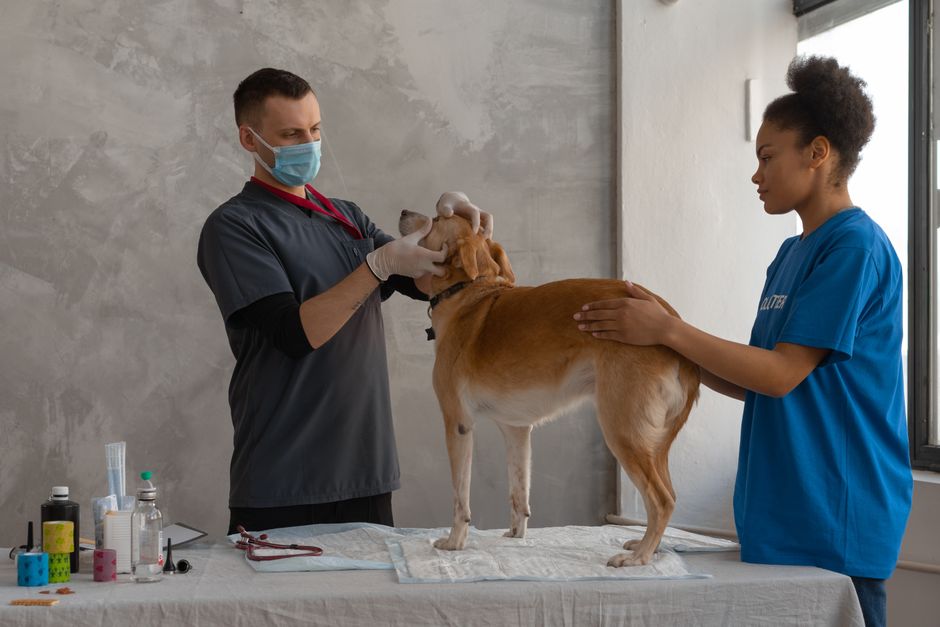
When your dog shows signs of dental disease, professional veterinary care is the safest and most effective way to restore oral health. At Partners for Pets, our veterinarians begin with a comprehensive oral examination to assess the teeth, gums, and supporting structures. If a dental cleaning is needed, your dog will undergo anesthesia to allow for a thorough cleaning above and below the gumline, where bacteria and tartar tend to accumulate. This process removes harmful buildup, polishes the teeth, and allows our team to check for loose, infected, or broken teeth that may require further treatment.
Advanced dental problems such as severe gum disease, abscesses, or fractured teeth sometimes call for more involved procedures. In these cases, our team may recommend pet oral surgery to address underlying issues and relieve pain. If a tooth cannot be saved, a safe and gentle pet tooth extraction can prevent ongoing discomfort and complications. Throughout every procedure, we prioritize your dog’s comfort and safety, providing pain management and monitoring every step of the way.
The Importance of Regular Dental Cleanings
Routine pet dental cleanings are one of the best tools for preventing dental disease in dogs. These cleanings remove plaque and tartar that you may not be able to address at home and allow our veterinary professionals to catch early signs of problems before they become serious. Most dogs benefit from annual dental cleanings, but some may need more frequent care depending on their age, breed, and oral health history.
At-Home Dental Care: Steps You Can Take
While professional dental care is essential for managing established dental disease, daily home care plays a vital role in keeping your dog’s mouth healthy. Brushing your dog’s teeth with a pet-safe toothpaste is the gold standard; ideally, this should be done every day, but even a few times a week can make a difference. Dental chews, treats, and prescription dental diets can help reduce plaque and tartar buildup. It’s also helpful to inspect your dog’s mouth regularly for changes, such as red gums, broken teeth, or unusual odors. Remember, never use human toothpaste, as it can be toxic to dogs.
If your dog is not used to having their teeth brushed, start slowly by letting them taste the toothpaste and gradually introducing the toothbrush. Consistency is key, and patience will help make dental care a positive experience for both you and your dog. If you have questions about which products are safe or effective, our veterinary team is happy to provide guidance tailored to your pet’s specific needs.
When to Contact Your Veterinarian for Dental Concerns
It can be challenging to determine when a dental issue requires professional attention. In general, if your dog has persistent bad breath, difficulty eating, visible tartar, red or bleeding gums, loose teeth, or signs of mouth pain, it’s time to schedule a visit. Dogs with a sudden drop in appetite, swelling around the face, or discolored teeth should also be evaluated promptly. Because dental disease can affect other organs such as the heart, liver, and kidneys, timely intervention is crucial for your dog’s overall health.
Our veterinary team at Partners for Pets recommends regular pet examinations to monitor dental health and catch issues early. If you’re ever unsure about your dog’s symptoms, do not hesitate to call us for advice. Our veterinarians are committed to providing compassionate, comprehensive care for every stage of your pet’s life.
Keeping Your Dog’s Smile Healthy: Partners for Pets in Pike Road, AL Is Here for You
Dental disease is common, but with early recognition and proactive care, you can help your dog avoid unnecessary pain and enjoy a happier, healthier life. At Partners for Pets, our veterinary team in Pike Road, AL is dedicated to helping you provide the best possible care for your companion. If you notice any signs that your dog may need professional dental care, or if it has been more than a year since their last dental checkup, we encourage you to reach out to us to schedule an appointment. When searching for a veterinarian near me, know that our experienced team offers everything from routine dental cleanings to advanced dental surgery and extractions in a welcoming, supportive environment.
To book your dog’s dental evaluation or learn more about our services, contact our veterinary professionals at (334) 218-4500 or stop by our convenient location at 11123 Chantilly Parkway Unit G, Pike Road, AL 36064. Your dog’s comfort, health, and happiness are our top priorities—let us help you keep their smile shining bright for years to come.
This blog is intended for informational purposes only and does not replace professional veterinary advice. If your dog is experiencing signs of dental disease or any other health concern, please consult your veterinarian for an accurate diagnosis and personalized care plan.