
Cat Eye Health: Recognizing and Treating Common Issues
Cat Eye Health: Recognizing and Treating Common Issues
If you’ve ever noticed your cat squinting, pawing at their face, or developing unusual discharge from their eyes, you know how concerning it can be. Eye problems in cats can appear suddenly and range from mild irritations to serious conditions that threaten vision or even overall health. At Partners for Pets, located right here in Pike Road, AL, our team of veterinarians understands just how important your cat’s eyesight is—not just for their comfort but for their quality of life. In this comprehensive guide, we’ll help you recognize the most common feline eye issues, explain what causes them, outline treatment options, and share our best advice for prevention and home care. You’ll also find out when it’s time to schedule an appointment so your cat can get the expert eye care they need.
If you’re worried about your cat’s eyes, whether you see redness, cloudiness, or excessive tearing, you’re not alone. Many pet owners in Pike Road and surrounding communities face similar situations. Our goal is to help you feel informed, empowered, and confident in making decisions for your cat’s health. Keep reading to learn how to spot eye problems early, understand what might be causing your cat’s discomfort, and discover how Partners for Pets can support you and your cat every step of the way.
Recognizing Cat Eye Problems: Signs You Shouldn’t Ignore
Cats are experts at hiding discomfort, but eye problems often come with visible warning signs. Key symptoms include squinting or keeping an eye partially closed, redness in the whites of the eyes, watery or thick discharge that may be clear, yellow, or green, and cloudiness or a bluish tint covering the eye. Other signs to watch for are swelling around the eye, excessive blinking, rubbing or pawing at the face, and a sudden sensitivity to light.
Some cats may develop a third eyelid that becomes more visible, appearing as a pale or pinkish membrane at the inner corner of the eye. Behavioral changes can also signal trouble; a normally playful cat might become withdrawn or hide more often if they’re experiencing pain or vision changes.
It’s important to monitor these symptoms closely. While mild, temporary irritation can occur, persistent or worsening symptoms could indicate a more serious condition that requires veterinary attention. If you notice any combination of the above signs, especially if your cat’s eye appears painful or their vision seems affected, it’s time to give us a call or schedule a comprehensive pet exam. You can learn more about our examination process on our wellness examination page.
What Causes Eye Problems in Cats?
Understanding the causes behind feline eye issues can help you take proactive steps to protect your cat’s vision. The most common causes include infections, injuries, and chronic conditions. Viral and bacterial infections are frequent culprits, particularly in kittens or cats with compromised immune systems. Feline herpesvirus and calicivirus are two leading infectious agents, often resulting in conjunctivitis—an inflammation of the tissues around the eye, commonly known as “pink eye.”
Environmental irritants such as dust, pollen, or cleaning products can also trigger eye discomfort. Cats that roam outdoors or engage in rough play may be at greater risk for eye injuries, including scratches, punctures, or foreign objects like grass seeds becoming lodged beneath the eyelid. Allergies, dry eye, and autoimmune disorders are additional factors that can lead to chronic eye problems.
Sometimes, underlying health issues such as hypertension, diabetes, or even certain cancers can manifest as eye symptoms. Senior cats, in particular, may develop lenticular sclerosis or cataracts, which create a cloudy appearance in the lens. Genetics can also play a role; some breeds, like Persians and Himalayans, are more prone to tear duct problems and corneal ulcers due to the shape of their faces.
Professional Treatment Options for Feline Eye Conditions
Once your cat has been examined by our veterinary team, we’ll recommend a treatment plan based on the specific diagnosis. Treatment approaches involve a range of options, depending on the underlying cause and severity.
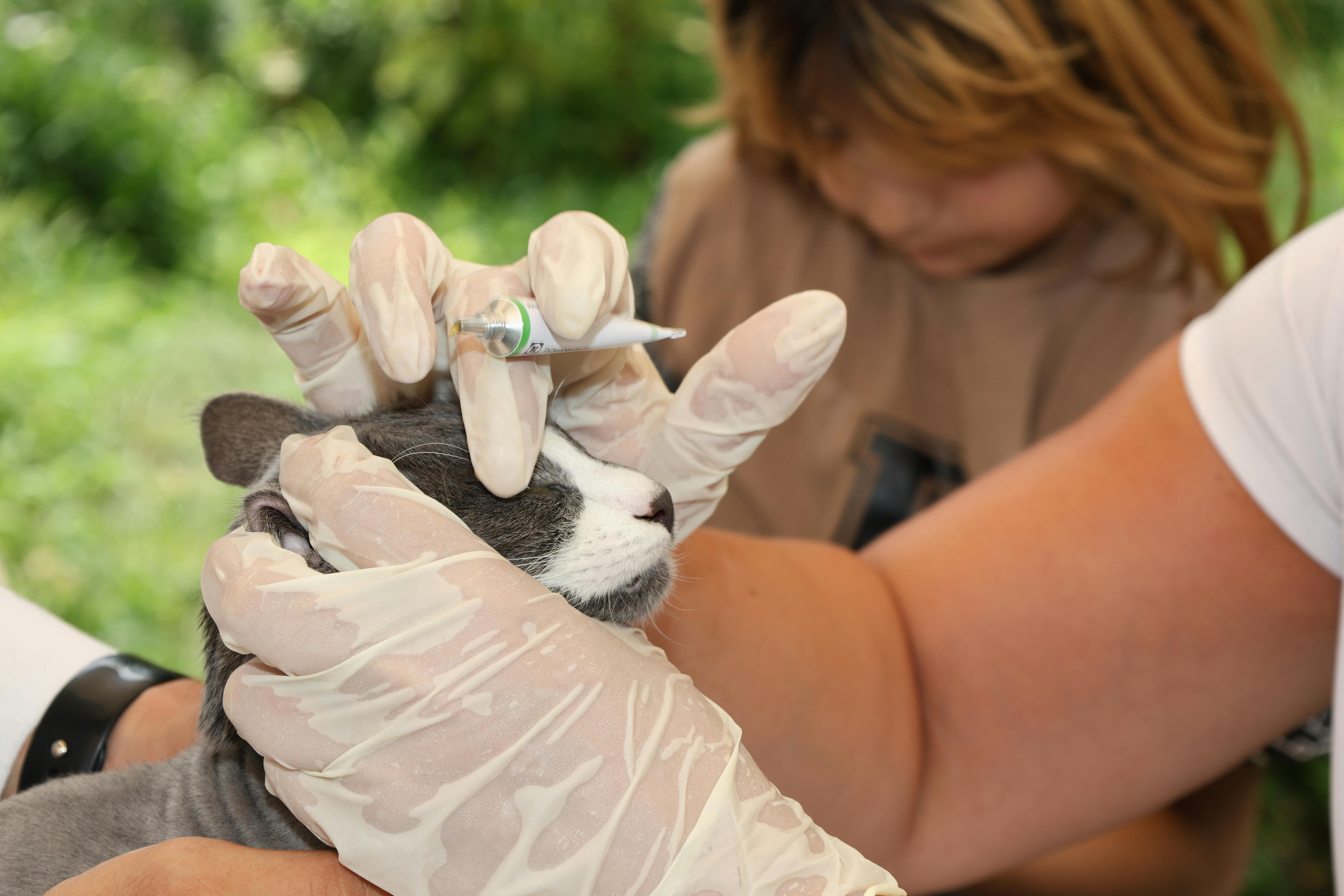
For infections, topical medications such as antibiotic or antiviral eye drops are commonly prescribed. In some cases, oral medications may be needed to address systemic infections or underlying diseases. If your cat has suffered an eye injury, prompt care is essential to preserve vision. This may include medicated ointments, pain relief, and in more severe cases, minor surgical procedures to remove foreign bodies or repair damaged tissue.
Chronic conditions like dry eye may require ongoing management with artificial tears or immune-modulating medications. Allergic reactions are typically managed by removing environmental triggers and providing anti-inflammatory medications as needed. For more complex cases, such as glaucoma or cataracts, advanced diagnostics and specialized treatments may be necessary. Our clinic offers in-clinic diagnostics, digital radiology, and access to surgical expertise should your cat require more intensive intervention.
Throughout your cat’s treatment, our veterinary professionals will work closely with you to monitor progress and adjust care as needed. Timely follow-up visits are often essential for ensuring a successful recovery and protecting your cat’s long-term vision.
Home Care and Prevention: Keeping Your Cat’s Eyes Bright
While some eye issues in cats are unavoidable, many can be prevented or managed with attentive home care. Steps include keeping your cat’s living environment clean and free of dust or strong chemicals, providing regular grooming to reduce hair and debris around the eyes, and ensuring vaccinations are up to date—especially for kittens and outdoor cats. You can learn more about our pet immunizations to help protect your cat from contagious diseases that commonly cause eye problems.
If your cat is prone to tear staining or minor debris, gently wiping the area around the eyes with a soft, damp cloth can help prevent irritation. Always use separate cloths for each eye to avoid spreading infection. Avoid attempting to treat eye problems with over-the-counter products or human medications, as these can cause more harm than good.
A healthy diet, regular wellness exams, and early parasite prevention also support overall eye health. Monitoring your cat for signs of discomfort or changes in appearance allows you to catch problems early. If you have a breed known for eye issues, such as Persians, consider more frequent check-ups to stay ahead of potential problems.
When to Seek Veterinary Care for Your Cat’s Eyes
Knowing when to seek professional help is crucial for protecting your cat’s vision and comfort. You should schedule an appointment with our veterinarians if you notice persistent redness, swelling, or discharge, if your cat keeps an eye closed for more than a day, or if there is any visible injury to the eye. A sudden onset of cloudiness, blood, or a bulging or sunken appearance are all signs that warrant immediate veterinary attention.
Cats with chronic conditions like allergies or herpesvirus may require ongoing monitoring to prevent flare-ups from causing long-term damage. If your cat is not responding to home care within 24 to 48 hours, or if symptoms worsen, prompt evaluation is essential. In cases of trauma or severe pain, do not wait—contact our team right away so we can provide the best chance for a positive outcome.
Our veterinary team at Partners for Pets is equipped to diagnose and treat a wide range of eye issues. With our emergency veterinary care, you can rest assured that your cat will receive prompt, compassionate care when it matters most.
Trust Partners for Pets for Expert Cat Eye Care in Pike Road, AL
Your cat’s eyes are not only windows to their soul—they’re essential for their independence, playfulness, and comfort. By staying alert to subtle changes and acting quickly when you notice problems, you can help your cat enjoy optimal vision for years to come. If you’re searching for a trusted vet near me or want a professional assessment of your cat’s eye health, Partners for Pets is here to help.
We invite you to schedule an appointment with our experienced veterinary team for a thorough eye examination, ongoing preventive care, or urgent attention to any concerning symptoms. Whether you live in Pike Road, AL or nearby communities, we are committed to providing your cat with the highest quality veterinary care in a welcoming, supportive environment.
For more information or to book your cat’s next visit, call us at (334) 218-4500 or explore our website for additional resources on wellness examinations and pet immunizations. Your cat’s comfort, vision, and wellbeing are always our top priorities. If you ever have questions about your cat’s eyes or any aspect of their health, don’t hesitate to reach out to our compassionate veterinary team for guidance.


